
If you work anywhere near manufacturing, logistics, or retail, you’ve probably heard this sentence more times than you can count: “We need to eliminate plastic packaging.” It sounds decisive. Responsible. Progressive. But once the meeting ends and the product still needs to be shipped safely, reality sets in.
Plastic didn’t become dominant because people loved it. It became dominant because it worked. It was cheap, strong, lightweight, and adaptable. Replacing it is not just an environmental decision, it’s an operational one. And that’s where the conversation usually gets uncomfortable.
So the real question isn’t whether plastic packaging should be replaced. It’s whether it genuinely can be replaced, without causing new problems that nobody wants to talk about.
Why Plastic Solved Problems Before It Created Them
It’s easy to forget why plastic packaging took over. It reduced breakage. It kept moisture out. It allowed products to travel long distances without damage. For many industries, it cut down on losses that were previously accepted as normal.
In other words, plastic protect products and margins.
Any replacement material has to do more than look eco-friendly. It has to survive transport, storage, and handling. That’s a high bar, and it explains why change has been slower than public pressure suggests.
Paper Mailer Bag Packaging: Helpful, But Not Magical
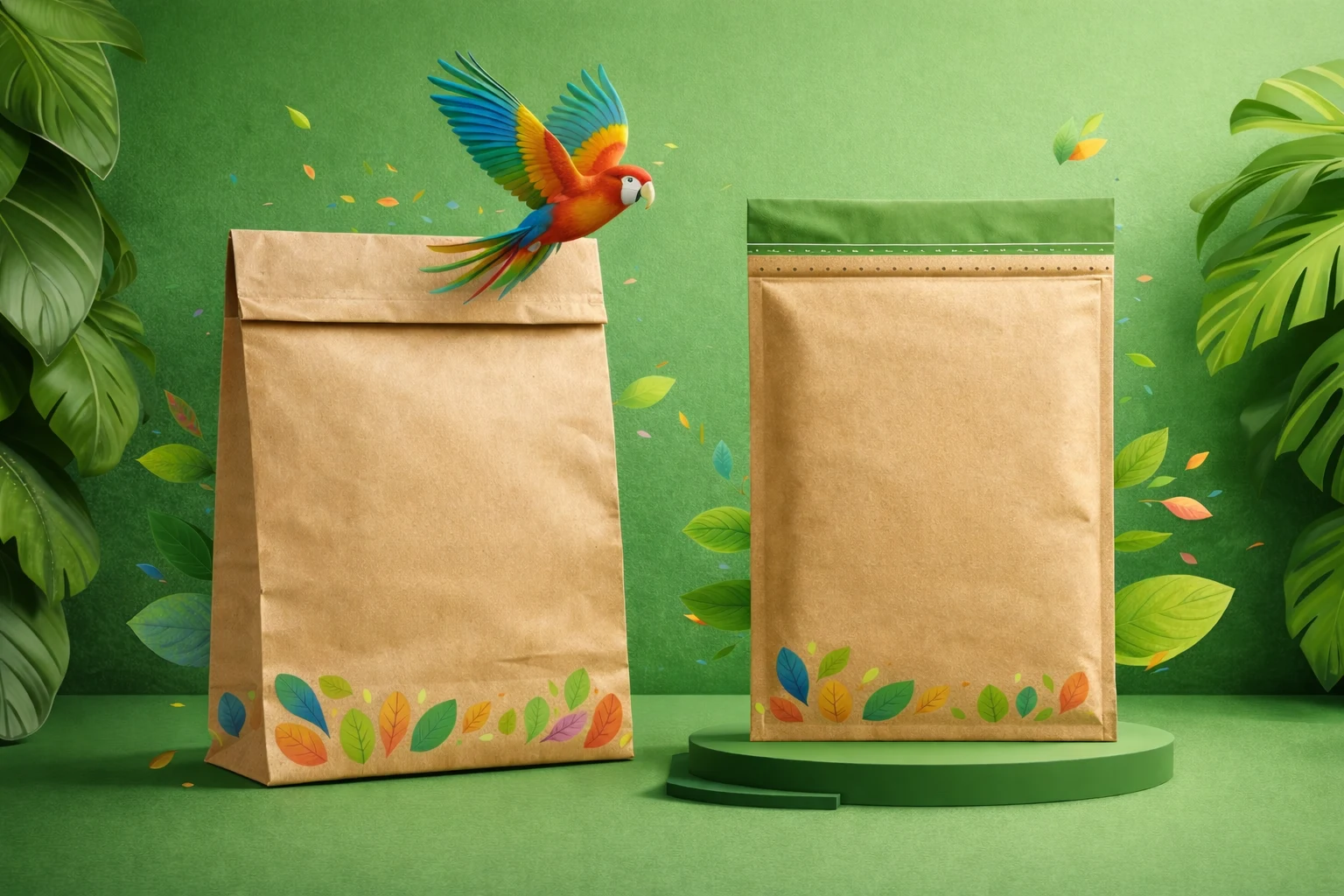
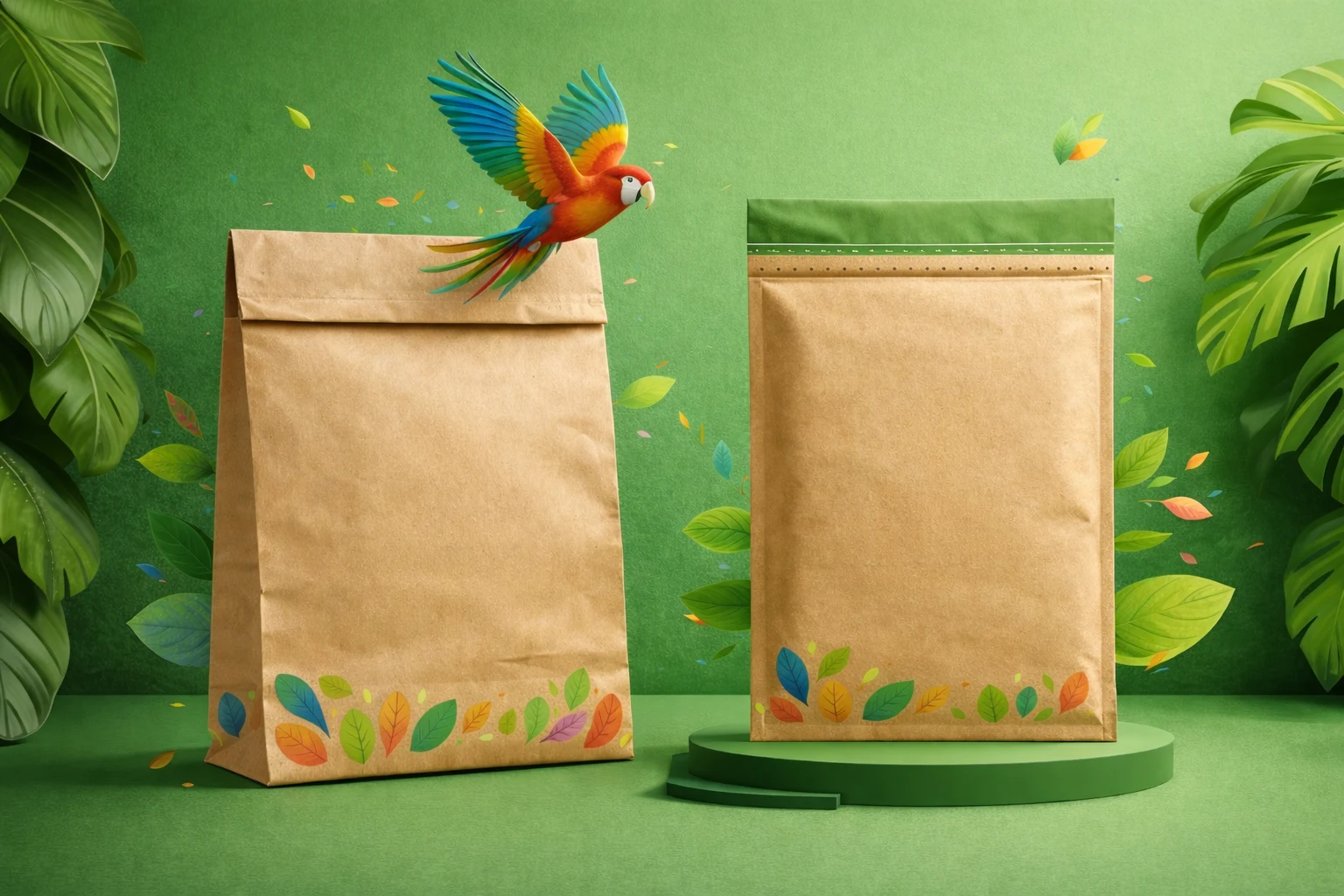
People often say that paper is the best answer. There are more paper courier bags now than there were five years ago, and that’s a good thing. Paper can be reused, recycled and is easier for people to understand
Paper mailer bags are great for sending things that aren’t too heavy, like clothes, papers, and accessories. They are simple to use, helpful and make the amount of visible plastic smaller.
But paper has limits. It reacts badly to moisture. It tears under pressure. To improve strength, coatings are added, which can complicate recycling. So while paper replaces plastic in some cases, it cannot replace it everywhere.
Security with Tamper Proof Courier Bags: Where Plastic Still Wins
One area where replacement gets tricky is security. Plastic packaging shows tampering clearly. Once torn or opened the damage is obvious. Replicating that function with paper is possible, but not always reliable.
Some alternatives like tamper-proof courier bags use reinforced paper. These work reasonably well for certain shipments, especially in controlled conditions. However, they still struggle in rough transit environments or during long-distance shipping.
For high-value items, businesses often hesitate to abandon plastic completely, and for understandable reasons.
The Environmental Trade-Off Most People Ignore
This is the part that people don’t often talk about when they talk about sustainability. More fuel is used when the packaging is heavier. More packaging means fewer items per shipment. Both of these things make emissions go up.
Sometimes, switching from plastic to bigger materials can make the environmental problem worse instead of better. That doesn’t mean that other options are useless. It means they need to be picked with care.
Sustainability is not just about material choice. It’s about total impact, from factory to final delivery.
Why One-Size-Fits-All Solutions Don’t Work
The idea that plastic can be eliminated across all industries ignores how different supply chains actually are. A cosmetic product, a food item, and an industrial chemical do not have the same packaging needs.
This is where an experienced packaging supplier in Delhi NCR becomes important. Real suppliers don’t push trends. They assess what works for your product, your transport routes, and your customers.
A knowledgeable packaging material supplier in Delhi NCR understands that replacing plastic is a process, not a switch.
Hybrid Packaging: The Quiet Middle Ground
Many companies now use hybrid solutions. Paper on the outside. Minimal plastic inside. Reduced thickness films. Recyclable layers.
These solutions don’t sound revolutionary, but they work. They reduce plastic use without sacrificing performance. More importantly, they last. Companies don’t quietly revert back to plastic after six months.
This is how real change usually happens—not loudly, but steadily.
What You Should Ask Before Replacing Plastic
Before switching materials, you should ask practical questions. Will this packaging survive humidity? Will it tear during transit? Will customers know how to dispose of it correctly?
Replacing plastic just to appear sustainable can backfire if damaged goods increase or waste shifts elsewhere
Progress should be measurable not cosmetic
Where the Industry Is Actually Headed
Despite bold headlines, the industry is moving cautiously. Less plastic. Better plastic. Smarter design. Alternatives where they genuinely perform better.
Innovation is happening, but it’s grounded in engineering, not slogans. Materials are improving slowly, and systems are adapting alongside them.
The future is not plastic-free overnight. It’s plastic-light, plastic-smart, and increasingly accountable.
Plastic packaging can be replaced in many situations, but not all. Pretending otherwise creates frustration and failed initiatives.
If you are looking to rethink your packaging strategy with clarity rather than noise, Global Parachem offers material expertise, practical solutions, and industry insight. Working with Global Parachem allows you to explore realistic alternatives while balancing performance, responsibility, and long-term viability.

Leave a comment